In January 2026, a jeweler in Lucknow was reported to have died by suicide after coming under severe financial pressure. News reports suggest that he had accepted large orders months earlier, when gold and silver prices were significantly lower, and was later required to honor those commitments as prices rose sharply. This tragedy is a quiet reality across silver-linked businesses: when material costs move faster than cash cycles, stress accumulates well beyond balance sheets.
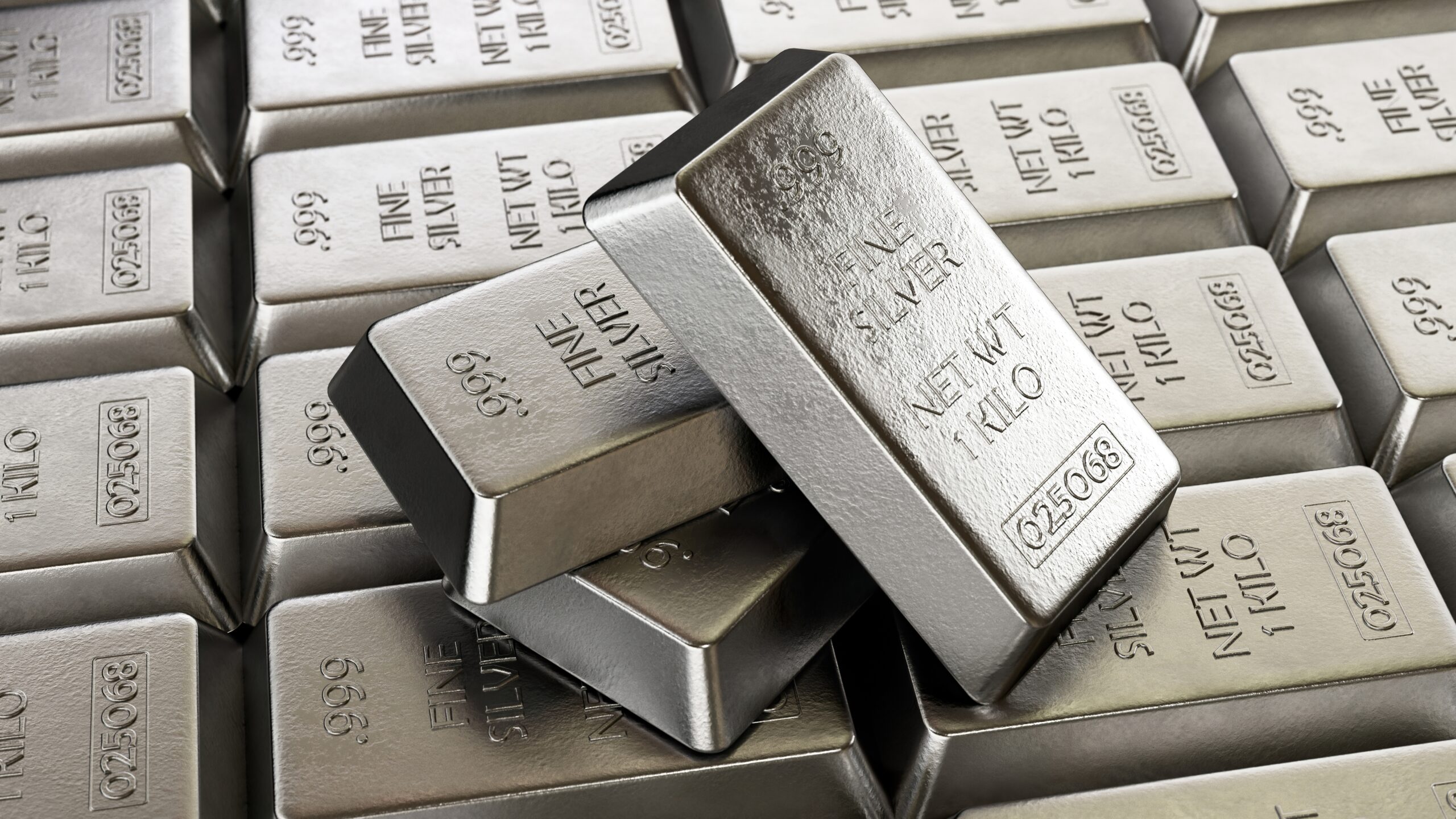
Silver is back in focus because of its growing importance in industrial supply chains. After a spectacular rally through 2025, silver entered 2026 at historically elevated levels, with front-month COMEX futures settling around $70 per ounce at the end of 2025, a 142% annual increase. While price levels attract headlines, the more consequential shift lies beneath: Silver’s role inside modern production systems has fundamentally changed.
As demand for silver from solar photovoltaics, electric vehicles, power electronics, data centers, and medical equipment has expanded, silver has shed its image of being primarily a monetary or decorative metal and has become a core industrial material embedded in the global energy transition and electrification agenda.
Silver’s Move from a Commodity to a Systemically Relevant Asset
The Reserve Bank of India’s updated rules have, for the first time, brought loans against silver under a formal regulatory framework. Banks and NBFCs can now issue credit against silver jewelry, ornaments, and coins, subject to defined loan-to-value limits. The move has the potential to unlock household silver holdings worth billions of dollars, widening access to formal credit while signaling silver’s transition from an informal store of value to a recognized financial asset within regulated lending systems.
This shift has occurred against a backdrop of limited supply flexibility. A large share of global silver production comes as a by-product of other metals, constraining the ability to scale output quickly. Mine production has declined by over 7% since 2016, even as prices have risen, due to high capital intensity, long development timelines, and permission challenges associated with new mining projects. Recycling has increased, but not enough to offset structurally higher industrial use tied to infrastructure investment and regulatory mandates. Consequently, the silver market has now entered its fifth consecutive year of supply deficit, with total demand projected at roughly 1,148 million ounces, while total supply is estimated at about 1,030 million ounces.
Together, these dynamics have tightened physical markets and pushed silver prices higher, without delivering the predictability usually associated with commodity cycles. What makes this period instructive is not the price movement itself, but how quickly pressure has appeared inside supply chains.
When Material Pressure Turns into Liquidity Stress
In silver-dependent industries, the earliest signs of stress have surfaced in day-to-day decisions. Procurement terms have tightened, suppliers are asking for faster confirmations and earlier payments, and manufacturers are holding larger buffer inventories to avoid production disruptions. These adjustments lock up cash sooner and stretch working-capital cycles.
While larger buyers can often absorb this shift, the strain moves upstream. Tier-2 and Tier-3 suppliers, operating with limited financial headroom, are required to finance higher input costs while continuing to extend credit downstream. Liquidity stress at this level rarely appears dramatic, but it is precisely where disruptions begin.
In October, manufacturers in Maharashtra’s Khamgaon, often called a “silver city” for its concentration of silver-processing units, reported acute shortages of raw silver. Refineries supplying railways, power transmission, defense, and space agencies slowed deliveries as wholesalers stopped quoting prices altogether. Switchgear manufacturers, heavily dependent on silver for conductivity and safety, cut usage and delayed supplies.
The difficulty of securing silver without locking up disproportionate working capital is a reminder of how quickly material tightness can turn into operational and financial strain. Here, supply chain finance can shift from being a tactical tool to a stabilizing mechanism.
Capital Restructuring Through Supply-Linked Finance
As volatility intensifies, pressure is no longer confined to prices alone—it shows up in how capital moves through the value chain, particularly in inventory-heavy, long-cycle, project-linked operations. Funding is increasingly tied to physical silver flows rather than being layered on top of them.
In response, industrial consumers of silver are increasingly working directly with producers through supply-linked financing arrangements, securing material through long-term supply commitments rather than relying on spot markets or balance-sheet-intensive financing.
On the demand side, Samsung’s trading arm, Hong Kong-based Samsung Construction & Trading, in mid-2025 secured a long-term supply arrangement with Silver Storm Mining designed to support the restart of the La Parrilla silver mine in Mexico. Instead of relying on spot purchases, the deal paired assured offtake with forward commitments, giving Silver Storm production certainty and Samsung visibility on pricing and supply. This structure tied working capital and procurement risk to contracted silver flows, reducing exposure for both parties during price swings.
Upstream, Australian company Broken Hill Mines completed a US$25 million senior secured offtake facility with US-based Hartree Metals in September 2025 to support growth at its Rasp and Pinnacles silver-lead-zinc operations in New South Wales, Australia. Priced at SOFR (Secured Overnight Financing Rate) plus 3.5% with a 12-month grace period, the four-year facility links repayment directly to future production, while Hartree commits to purchase 200,000 tonnes of silver-rich lead concentrate on competitive terms. This approach reduces reliance on short-term liquidity and mitigates the risk of selling under pressure.
Project development financing follows the same logic. Australia-based American West Metals’ partnership with Uk firm Ocean Partners Holdings for the Storm Copper Project in Nunavut, Canada, combines equity, long-term offtake, and debt funding tied to production milestones. Ocean Partners secured rights to 100% of copper, silver, and gold output for up to eight years while providing up to 80% of initial capital, subject to feasibility. By anchoring capital to contracted metal flows, the project can advance without straining balance sheets or relying solely on traditional financing.
Together, these deals show how working capital management across the silver ecosystem is evolving. Financing is increasingly embedded in trade relationships rather than layered on top, enabling producers, processors, and developers to operate with greater resilience: inventory is financed against committed buyers, expansion proceeds without excessive dilution, and cash conversion cycles are less exposed to sudden price swings. In industrial silver markets, supply chain finance has become a core part of commercial architecture, determining how reliably metal moves from mine to manufacturer and how effectively businesses absorb volatility.
Closing Perspective
Today, silver provides a lens for an underlying lesson that applies across a growing set of critical inputs. As supply chains become more capital-intensive and less tolerant of disruption, finance is being drawn deeper into operational decision making. Liquidity planning, trade credit design, and sustainability considerations shape one another in real time. Risk has moved from individual transactions to entire supplier networks that depend on timely liquidity and resilient financing structures.
Seen this way, silver’s industrial resurgence is a reminder of how financial frameworks must evolve to keep real-world systems running.